
Table of Contents
The Impact of Natural Disasters on Australian Property: A Guide for Homeowners and Buyers
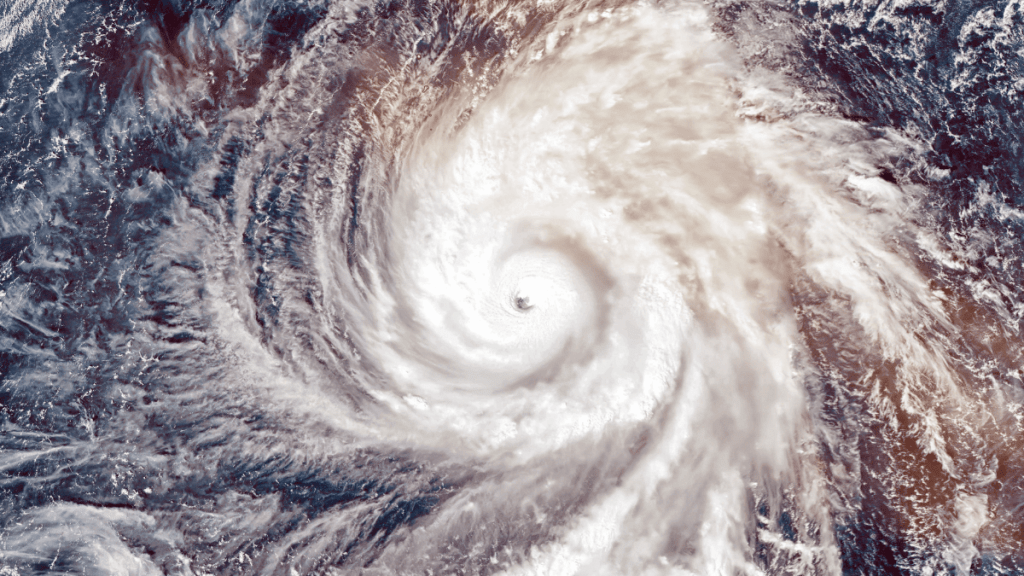
Australia’s vast landscapes and diverse climates make it particularly susceptible to natural disasters. From devastating bushfires in the south to widespread flooding along the Eastern Coast and destructive cyclones in the north, natural disasters are a regular occurrence. While their immediate aftermath often involves extensive clean-up and rebuilding efforts, the ripple effects of these events can have far-reaching implications, especially for homeowners and first-time buyers.
Impact on Home Values
Natural disasters can significantly reduce the market value of properties in affected areas. Potential buyers are often deterred by the heightened risk associated with properties in disaster-prone locations. This reduced demand can make it difficult for homeowners to sell their properties or vacant land, shrinking the pool of willing buyers.
In extreme cases, properties located in high-risk zones may become uninsurable, further diminishing their value. Without the ability to secure insurance, many buyers are unwilling to take on the financial risks, rendering some properties virtually unsellable.
Impact on Insurance
Natural disasters often result in a surge of insurance claims, with processing times stretching over months or even years. Following such events, insurance premiums in the affected regions tend to rise, even for homeowners who were not directly impacted. Insurance companies adjust premiums to account for the increased risk, ensuring they maintain a balanced portfolio across their coverage pool.
For instance, in North Queensland, the Australian Government Actuary (AGA) reported that home and contents insurance premiums surged by 80% during a period marked by Cyclone Larry, Cyclone Yasi, and the Mackay Storms. In comparison, premiums across the rest of Australia rose by approximately 25% during the same time frame.
These rising premiums can lead to underinsurance or even uninsurance, with homeowners either unable to afford adequate coverage or choosing to forgo it altogether. This leaves property owners exposed to significant financial risks if a natural disaster occurs.
Tips for Property Buyers
If you’re considering purchasing property in areas prone to natural disasters, thorough research and preparation are essential.
1. Understand Property History
Investigate the property’s history and assess the risks for natural disasters in the area:
- Review historical records of damages caused by natural disasters.
- Contact the local council to identify risks and access available tools or resources.
- Learn about environmental factors and how they contribute to disaster risks in the region.
2. Examine Insurance Options
Insurance policies vary widely, particularly for properties in disaster-prone zones. To ensure adequate coverage:
- Consult with an insurance agent to determine the appropriate level of coverage.
- Compare options from different insurance providers to find the best policy.
- Obtain insurance quotes as part of your property due diligence to factor these costs into your budget.
3. Explore Risk Mitigation and Natural Disaster Management
If you’re purchasing a property in a high-risk area, understanding risk mitigation strategies can be crucial:
- Evaluate the property’s construction materials and design to determine their resilience to natural disasters.
- Consider proactive risk reduction measures, such as removing hazardous vegetation in bushfire zones or implementing flood barriers in flood-prone areas.
Protecting Your Financial Future
Natural disasters can have devastating financial consequences, particularly for those without adequate insurance or a disaster management plan. Whether you’re a homeowner or a potential buyer, taking steps to mitigate risk and ensure proper coverage can provide peace of mind and long-term financial security.
If you need assistance navigating the challenges of purchasing property or want to discuss how to safeguard your assets against natural disasters, reach out to us today. We’re here to help you make informed decisions and protect your investments.
Read this article on “How natural disasters affect the property market” from REIWA.