Table of Contents
In today’s fast-paced global economy, innovation is the key driver of progress and competitiveness. At the heart of this innovation lies R and D, which serves as the backbone of technological advancements. R&D is not merely an activity or department within companies—it is a strategic investment that fuels the continuous evolution of industries, drives economic growth, and ultimately transforms societies. This blog provides a comprehensive exploration of R&D, delving into its historical evolution, its role in modern industries, and its importance in shaping the future of technology.
The Historical Evolution of R and D
The concept of R and D has roots that stretch back to the early days of industrialisation. Initially, research and development were primarily conducted within universities and government laboratories, focusing on basic scientific inquiry. However, as industries began to recognise the potential for applied research, R&D shifted into the corporate realm. Over time, companies started to invest heavily in R and D to maintain a competitive edge, develop new products, and improve existing processes.
During the mid-20th century, the post-war boom in innovation saw companies in sectors such as automotive, aerospace, and electronics dramatically increasing their R and D budgets. This period marked the transformation of R&D from a purely academic exercise into a critical business function. Today, R and D is a central pillar in sectors ranging from biotechnology and pharmaceuticals to information technology and renewable energy. Its evolution reflects a broader trend: as the pace of technological change accelerates, so too does the need for robust R and D to stay ahead of the curve.
For a deeper historical perspective on R&D, consider reading articles from sources like the National Science Foundation and Harvard Business Review.
The Strategic Importance of R and D in Today’s Economy
R and D is indispensable in today’s innovation-driven economy. It acts as the engine that propels technological breakthroughs, spurring the development of new products, services, and processes. Companies that prioritise R&D are better positioned to adapt to market changes, capitalise on emerging trends, and drive long-term growth. Here are several reasons why R&D is considered the backbone of technological advancements:
1. Catalyst for Innovation
R and D is the starting point for innovation. By investing in research, companies can explore new ideas and experiment with novel concepts before they are introduced to the market. Whether it’s developing a breakthrough medical treatment or creating a cutting-edge consumer electronic device, R&D is where creativity meets scientific rigor. This phase of exploration often leads to the discovery of new materials, processes, or technologies that redefine industry standards.
2. Economic Growth and Competitiveness
On a macroeconomic level, countries that invest in R and D tend to experience higher rates of economic growth. Innovation driven by R&D leads to new industries and job creation, boosting overall productivity and global competitiveness. For example, nations like South Korea and Germany have consistently ranked high in global innovation indexes due in large part to their significant R and D investments. By prioritising R and D, companies and governments can drive sustainable economic development.
3. Addressing Global Challenges
R and D is also crucial in addressing some of the world’s most pressing challenges, such as climate change, health crises, and energy security. Research in renewable energy technologies, for instance, is paving the way for a more sustainable future. Similarly, breakthroughs in medical R&D have led to innovative treatments and vaccines that save lives. The ability to rapidly innovate and deploy new solutions is essential for tackling complex, global issues.
4. Enhancing Productivity and Efficiency
Through R and D, companies can streamline their operations and improve efficiency. Whether it is automating manufacturing processes or optimising supply chain logistics, innovations emerging from R and D initiatives often lead to significant cost savings and productivity improvements. These enhancements not only benefit the company but also contribute to a more efficient economy overall.
How R and D Drives Technological Advancements
Technological advancements are seldom the result of a single breakthrough; they are the cumulative outcome of sustained, incremental improvements over time. R&D plays a critical role in this iterative process by supporting both foundational research and applied innovation.
Incremental vs. Radical Innovation
One of the most fascinating aspects of R&D is its capacity to foster both incremental and radical innovations. Incremental innovations involve making small, continuous improvements to existing technologies. These adjustments may seem minor on their own, but collectively they can lead to significant performance enhancements and efficiency gains. On the other hand, radical innovations—often described as disruptive or breakthrough innovations—completely transform industries. For example, the development of the smartphone was a radical innovation that reshaped communication, entertainment, and business.
The Role of Collaboration in R and D
Modern R&D is rarely a solitary endeavor. Collaborative efforts between academia, industry, and government agencies are crucial for pushing the boundaries of technology. Collaborative R and D initiatives enable the sharing of knowledge, resources, and expertise, leading to more robust and innovative outcomes. International partnerships and consortiums, such as those seen in the European Union’s Horizon Europe program, are excellent examples of how collaborative R&D can accelerate technological progress on a global scale.
Cross-Industry Innovation
Another dynamic aspect of R&D is its ability to drive cross-industry innovation. Often, breakthroughs in one field can inspire advancements in another. For instance, research in materials science has had profound implications for both the aerospace and automotive industries. Similarly, innovations in information technology have revolutionised sectors ranging from finance to healthcare. This cross-pollination of ideas underscores the versatility and far-reaching impact of R&D.
Industry Spotlight: The Impact of R and D Across Sectors
The significance of R and D is evident across various industries. Here are a few sectors where R&D plays a pivotal role:
Technology and Electronics
In the tech sector, R and D is fundamental to the development of new devices, software, and digital services. Companies invest heavily in R&D to create the next generation of smartphones, computers, and wearable technologies. The rapid pace of innovation in this field is a testament to the transformative power of R&D, which continuously pushes the envelope in terms of performance, connectivity, and user experience.
Pharmaceuticals and Biotechnology
The pharmaceutical industry relies on R and D to discover new drugs and develop innovative therapies. In biotechnology, R&D drives advancements in areas such as gene editing, personalised medicine, and vaccine development. The rigorous research processes in these fields not only contribute to improved health outcomes but also save lives by offering new treatment options for previously incurable diseases.
Automotive and Transportation
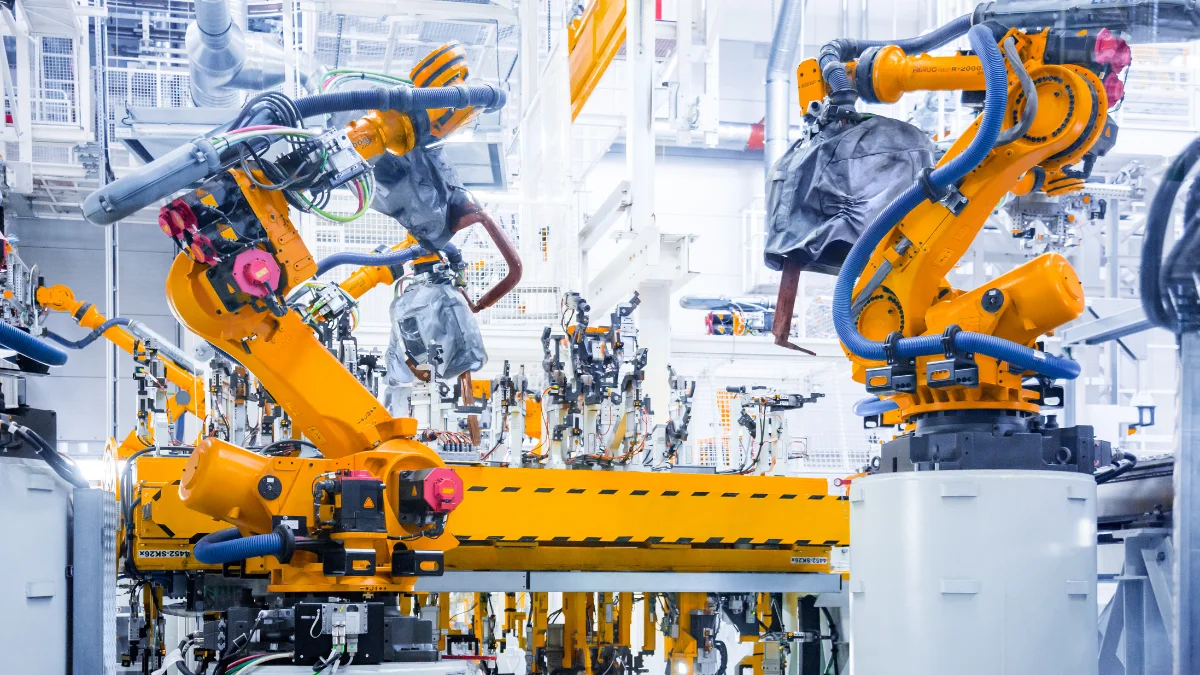
The automotive industry has witnessed significant transformations driven by R and D. From electric vehicles to autonomous driving technologies, R&D is at the core of the innovations reshaping transportation. These advancements are not only making vehicles more efficient and environmentally friendly but are also revolutionising mobility and urban planning.
Renewable Energy and Environment
R and D in renewable energy is crucial for developing sustainable technologies that can reduce our reliance on fossil fuels. Research in solar, wind, and battery storage technologies is enabling a transition to cleaner energy sources. Additionally, R&D is playing a critical role in environmental protection by developing methods for pollution control, waste management, and resource conservation.
For additional insights into how R and D is transforming these industries, reputable sources such as the International Energy Agency and McKinsey & Company offer detailed reports and analyses.
The Economic and Social Impact of R and D
The benefits of R and D extend far beyond technological advancements. Investment in R and D has profound economic and social implications:
Economic Growth and Job Creation
Countries that invest significantly in R&D tend to enjoy higher economic growth rates. R and D stimulates job creation not only in high-tech industries but also across the entire supply chain. As companies innovate, they create new markets and opportunities, leading to increased employment and improved living standards. Economies with strong R and D sectors are better positioned to compete on the global stage, driving long-term prosperity.
Social Welfare and Quality of Life
Innovations driven by R&D contribute to improvements in healthcare, education, and public infrastructure, ultimately enhancing the quality of life. Advances in medical research have led to better diagnostic tools, treatments, and preventive measures, while technological innovations have revolutionised communication, transportation, and access to information. These improvements have a direct impact on social welfare, making R&D a critical component of national development strategies.
Environmental Sustainability
R and D is also central to environmental sustainability. Research in renewable energy, sustainable agriculture, and green technologies is essential for mitigating climate change and preserving natural resources. By driving innovations that reduce environmental impact, R&D helps pave the way for a more sustainable future, where economic growth and ecological preservation go hand in hand.
Global Perspectives on R and D Investment
The importance of R&D is recognised worldwide, with many countries making it a central pillar of their economic and innovation policies. Governments around the globe allocate substantial budgets to support R and D initiatives, recognising that such investments yield high returns in terms of technological progress and economic development.
Leading Nations in R and D
Countries such as the United States, Japan, Germany, South Korea, and Israel are renowned for their strong R&D sectors. These nations have established robust ecosystems that support innovation through public-private partnerships, advanced research institutions, and substantial government funding. Their success in R&D has set benchmarks for other countries striving to enhance their innovation capabilities.
International Collaboration
Global challenges require global solutions, and international collaboration in R&D is more critical than ever. Collaborative research projects and multinational consortia enable the pooling of resources and expertise, accelerating the pace of innovation. Initiatives such as the European Union’s Horizon Europe program exemplify how cross-border collaboration in R&D can drive transformative solutions to shared challenges.
Measuring R and D Impact
Organisations such as the Organisation for Economic Co-operation and Development (OECD) regularly publish data and analyses on R&D spending and its impact on economic growth. These insights help policymakers, businesses, and researchers understand the benefits of R&D and make informed decisions about future investments.
Challenges in R and D: Navigating a Complex Landscape
Despite its many benefits, R&D comes with its own set of challenges. Companies and governments alike must navigate a complex landscape to ensure that investments in R&D translate into tangible advancements.
High Costs and Long Time Horizons
One of the primary challenges of R and D is its high cost and the long time horizons often associated with innovation. Developing new technologies and products can require significant financial resources and may take years before yielding measurable results. This uncertainty can be a deterrent for investment, underscoring the importance of long-term commitment and strategic planning in R&D.
Risk and Uncertainty
R&D inherently involves risk. Not every research project leads to a breakthrough, and many innovations may fail to reach commercialisation. Companies must be prepared to manage these risks and invest in diverse R&D portfolios to balance the potential for high returns with the likelihood of setbacks.
Regulatory and Compliance Challenges
Navigating regulatory requirements and ensuring compliance can also be challenging. As R&D activities expand across borders, companies must comply with different regulatory frameworks and standards. This complexity requires robust internal processes and a proactive approach to risk management.
Talent and Skills Shortages
The success of R&D depends largely on having access to a skilled workforce. However, many industries face shortages of talent in critical areas such as engineering, data science, and biotechnology. Addressing this gap is essential for maintaining a competitive edge in R&D and ensuring that innovative ideas can be effectively transformed into market-ready products.
The Future of R and D: Emerging Trends and Opportunities
Looking ahead, the role of R&D will only become more vital as technological advancements continue to reshape our world. Several emerging trends are set to influence the future of R and D:
Digital Transformation and Data-Driven Research
The advent of digital technologies is revolutionising how R&D is conducted. Advanced analytics, artificial intelligence, and machine learning are enabling researchers to analyse vast amounts of data, identify patterns, and accelerate the pace of discovery. This digital transformation is making R&D more efficient and opening up new possibilities for innovation.
Open Innovation and Crowdsourcing
The traditional boundaries of R and D are being redefined by open innovation models. Companies are increasingly collaborating with external partners, startups, and even the public to crowdsource ideas and co-create solutions. This approach not only expands the pool of ideas but also accelerates the innovation cycle, making R&D more dynamic and responsive to market needs.
Sustainability-Driven Innovation
Environmental concerns and the push for sustainability are driving a new wave of R&D focused on green technologies. Research in renewable energy, waste reduction, and sustainable agriculture is receiving increased attention and funding, as businesses and governments recognise the urgent need for environmentally friendly solutions. This trend underscores the critical role that R&D plays in addressing global challenges and promoting long-term sustainability.
Global Collaboration and Policy Support
The future of R and D is increasingly global. International collaboration, supported by favorable government policies and funding initiatives, will be key to tackling some of the world’s most pressing challenges. As countries continue to invest in R and D, the resulting synergies and shared knowledge will accelerate technological advancements on a global scale.
Conclusion
R and D stands as the backbone of technological advancements, underpinning the innovations that drive economic growth, improve quality of life, and address global challenges. From its historical roots in academic inquiry to its current role as a strategic investment for companies worldwide, R&D is at the core of progress. Its influence spans a wide array of industries, from technology and pharmaceuticals to automotive and renewable energy, demonstrating its universal relevance.
Investing in R and D is not just about developing new products or processes—it is about fostering a culture of continuous improvement, creativity, and resilience. The benefits of R and D are far-reaching, contributing to enhanced cash flow, risk mitigation, and a sustainable competitive edge. Moreover, the collaborative nature of modern R and D, which brings together expertise from academia, industry, and government, highlights its pivotal role in solving complex problems and driving societal progress.
To harness the full potential of R and D, companies must be committed to rigorous record-keeping, adherence to regulatory standards, and continuous innovation. The journey of R and D is one of both challenges and opportunities—requiring substantial investments, strategic foresight, and a willingness to embrace uncertainty. Yet, it is precisely this commitment to innovation through R and D that lays the foundation for long-term success.
As we look to the future, the transformative power of R and D will only grow, fueled by digital advancements, global collaboration, and a renewed focus on sustainability. Organisations that recognise and invest in R and D today will be the leaders of tomorrow, driving technological advancements that redefine industries and improve lives.
For further insights into the role of R and D in shaping the future of technology and innovation, explore reputable resources such as the OECD’s R and D statistics, Harvard Business Review, and the World Economic Forum. These sources provide valuable data and analyses that underscore the critical importance of R and D in the modern economy.
In conclusion, R and D is not simply a business function; it is the lifeblood of technological advancement. By investing in R and D, companies and governments can drive breakthroughs that transform industries, boost economic growth, and create a better future for all. Embracing the potential of R and D means committing to innovation, collaboration, and a relentless pursuit of excellence. As we continue to navigate the complexities of the 21st century, R and D will remain the cornerstone of progress—a true backbone of technological advancements that shapes our world.