
Table of Contents
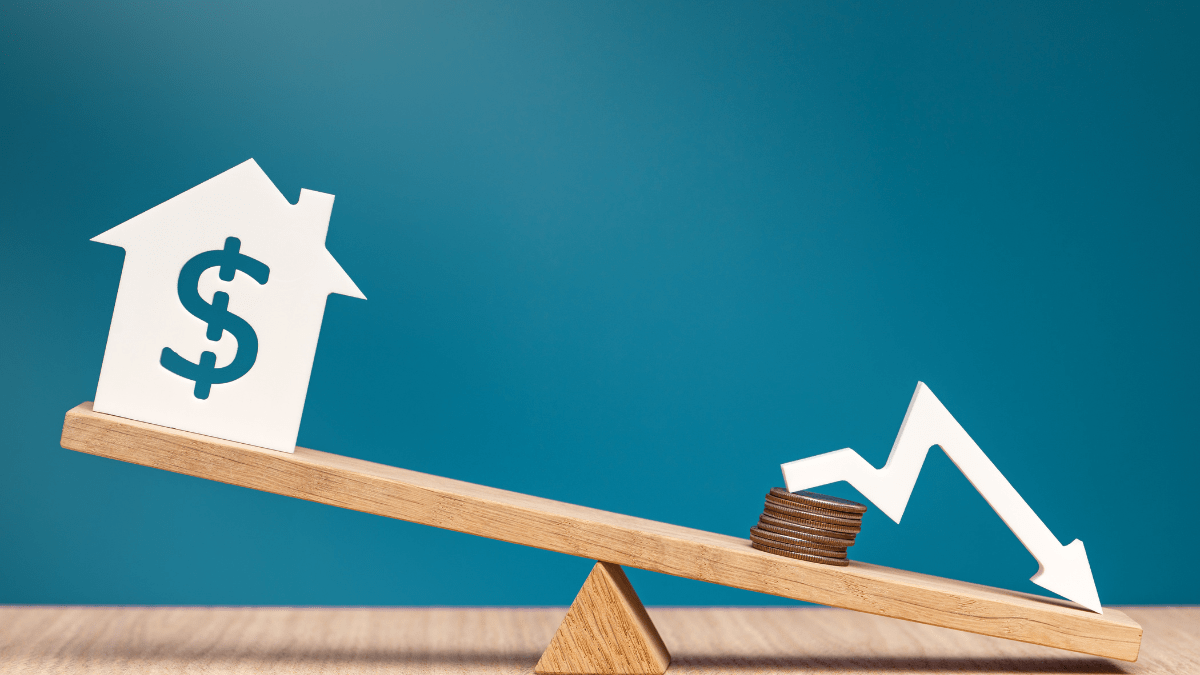
Low interest rates have long been a favorite among homebuyers. They create the perception of affordability by reducing monthly mortgage repayments. But there’s more to the story—low rates also empower buyers to borrow more, which can drive up home prices in competitive markets. So, are low interest rates truly a boon for homebuyers, or do they carry hidden costs?
The Numbers Crunched
To understand the impact, let’s compare housing affordability in two periods:
- 2011: The average interest rate for a standard variable home loan was 7.79% p.a., and the average house price across Australia’s eight capital cities was $478,000. With a 20% deposit, a homebuyer faced a mortgage of $382,400, resulting in monthly repayments of $2,899 over 25 years.
- 2018: Interest rates dropped to 5.20% p.a., which seemed like a win for borrowers. However, house prices had soared by 43.8%, pushing the average cost of a home to $686,000. After a 20% deposit, the loan amount jumped to $551,000, with monthly repayments of $3,286.
At first glance, the difference of $387 per month might seem manageable. Average wages also increased by 21.5% during this time, providing an additional $1,215 per month for many households, which could easily cover the higher repayments.
While repayments have stayed relatively proportional to income growth, saving for a deposit has become significantly harder. As house prices outpaced wage growth, the 20% deposit for an average home rose from $95,600 in 2011 to $137,200 in 2018—a 43% increase. For first-time buyers, this deposit gap has become a significant hurdle to entering the housing market.
The Problem of Averages
National averages don’t tell the whole story. House prices in Sydney and Melbourne have surged far more dramatically than in smaller markets like Hobart and Darwin.
- Sydney and Melbourne: Low interest rates have driven fierce competition and skyrocketing prices, making homeownership particularly challenging.
- Hobart and Darwin: Stable or slower price growth combined with lower rates has improved affordability in these cities.
This disparity underscores the importance of looking beyond averages to understand regional housing dynamics.
What Does “Affordable” Really Mean?
Financial experts often define affordability using the 30% rule: households shouldn’t spend more than 30% of pre-tax income on housing costs to avoid “mortgage stress.”
In the 2018 example:
- A single average wage earner would need to allocate 48% of their gross income to cover the average home’s mortgage repayments—well beyond the 30% threshold.
- For dual-income households earning the average wage, this figure drops to a more manageable 24%, but even they face risks if interest rates rise.
The Rising Interest Rate Threat
If interest rates were to climb back to 7.6% p.a., as seen in 2011, mortgage repayments would rise sharply, pushing even dual-income households toward mortgage stress. Recent trends suggest higher rates are on the horizon, making it critical for buyers to plan for potential increases.
Priceless Advice for Homebuyers
Navigating the complex world of homeownership can be daunting, especially when juggling high prices, interest rate fluctuations, and the deposit challenge. Here’s how to approach it:
- Create a Financial Plan: Work out how much you can realistically save for a deposit and afford in monthly repayments. Use online mortgage calculators to factor in potential rate increases.
- Consider Regional Markets: Explore areas outside of major cities where price growth may be steadier and more affordable.
- Seek Professional Advice: A licensed financial adviser can help you create a roadmap to homeownership, manage existing debts, and prepare for future interest rate changes.
- Be Cautious with Debt: Avoid overextending yourself by borrowing to your maximum capacity. Leave room in your budget for unexpected expenses or rate hikes.
Low interest rates have reshaped Australia’s housing market, offering both opportunities and challenges. While they can lower monthly repayments, they’ve also contributed to rising house prices, creating hurdles for new buyers. By understanding the broader impact of interest rates and planning carefully, you can turn the dream of homeownership into a sustainable reality.
Stay up to date on the latest interest rate with the RBA.